
Hacking the human potential with neuroinclusivity and AI
Integrating AI in education has the power to turbo charge neuroinclusivity and unlock human potential, unlike anything the world has seen

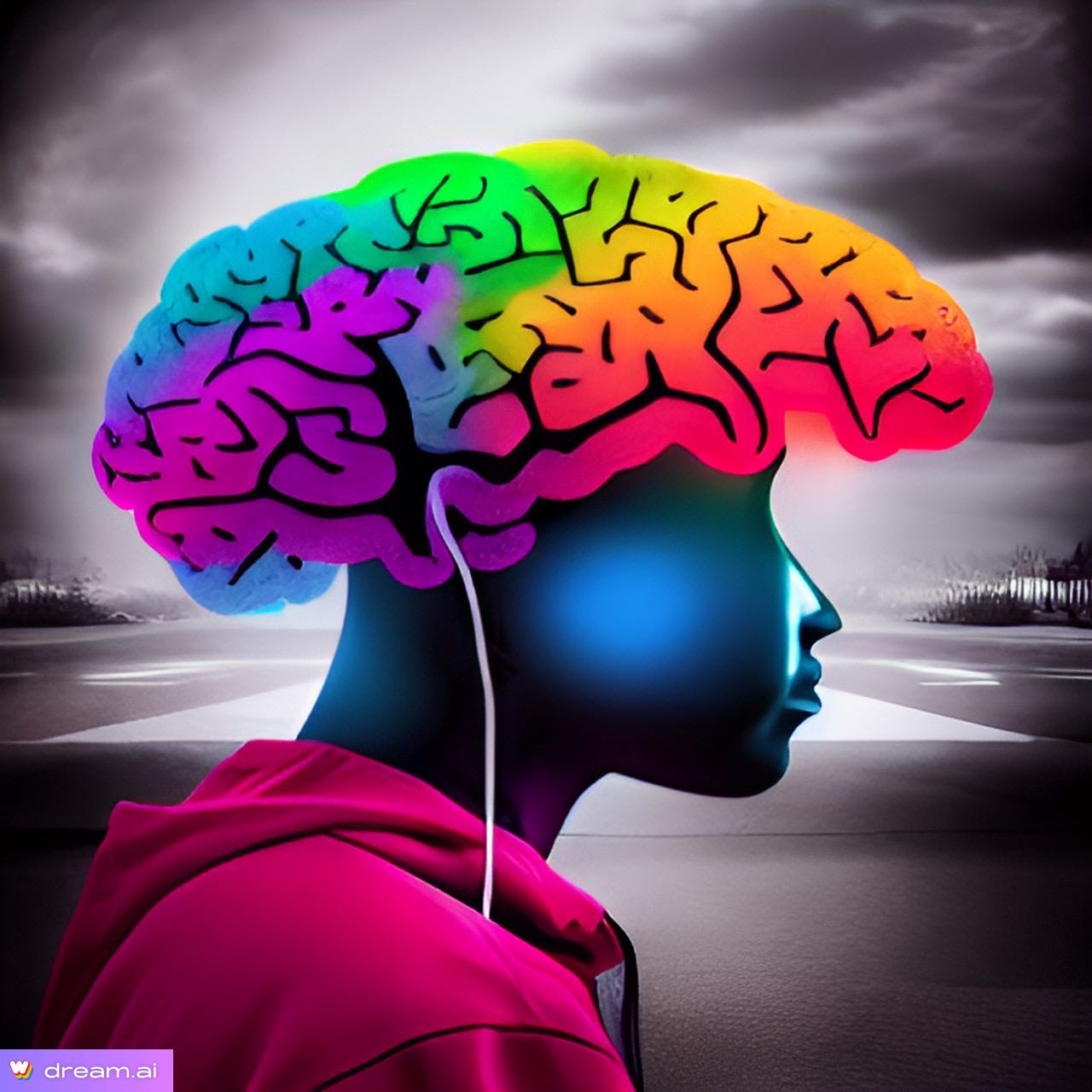
Integrating AI and neuroinclusivity in education has the capacity to unlock human potential, by creating personalized and inclusive learning experiences.
Here are few practical ways how this integration can be achieved:
Personalized Learning:
AI can analyze individual learning patterns, preferences, and strengths to provide personalized recommendations and adapt instructional content. By tailoring education to each student’s unique needs, AI can optimize their learning experience and foster their full potential.
Accessibility and Accommodations:
AI technologies can assist students with diverse neurocognitive profiles by providing accessibility features, such as text-to-speech, speech recognition, closed captions, and adaptive interfaces.
These accommodations can support neurodiverse learners, enabling them to engage with educational materials more effectively.
Early Identification and Intervention:
AI-powered tools can help identify neurodiverse traits and learning difficulties at an early stage.
By recognizing patterns in student performance and behavior, AI can prompt timely interventions, enabling educators to provide targeted support and interventions to foster neurodiverse students’ learning and development.
Assistive Technologies:
AI can enhance assistive technologies for students with specific neurodiverse needs, such as dyslexia, ADHD, or autism.
For instance, AI-driven applications can assist with reading comprehension, organization, time management, or social skills training, empowering students to overcome challenges and maximize their learning potential.
Adaptive Assessment and Feedback:
AI can facilitate adaptive assessments that adjust difficulty levels and question types based on a student’s individual capabilities.
This allows for more accurate and meaningful assessment of neurodiverse students’ progress and provides tailored feedback to support their learning journey.
Inclusive Curriculum and Resources:
AI can aid in the development of inclusive educational resources and curricula that represent diverse perspectives and learning styles.
By leveraging anthropological insights and diverse datasets, AI can help ensure that educational materials are culturally responsive, representative, and engaging for all learners.
Teacher Support and Professional Development:
AI can assist educators in designing neuroinclusive classrooms and provide them with data-driven insights to tailor instruction to individual student needs.
Additionally, professional development programs can be augmented by AI tools, offering educators resources, training modules, and personalized guidance on supporting neurodiverse learners effectively.
Integrating AI and neuroinclusivity in education has the potential to transform learning environments, empower diverse learners, and unlock their full potential.
By leveraging the capabilities of AI technologies and embracing neurodiversity, education can become more personalized, accessible, and supportive, enabling every student to thrive and succeed.